The girl hiding bottles
Just before I left university, I was seeing a guy who never finished his wine.
He would leave a quarter of the bottle sitting there overnight and go to bed like it meant nothing.
Every morning, before he woke up, I would drink what was left and move the bottle slightly so he wouldn’t notice.
At the time, I genuinely could not understand how somebody could leave alcohol unfinished.
My brain couldn’t process it.
If there was alcohol in the room, I thought about it until it was gone.
Looking back now, that should have terrified me.
The guy I was seeing at university eventually broke up with me because of my drinking.
Actually, it took him leaving twice before it was really over.
I would promise to stop. Promise to get better. Promise things would change.
But the longest I could stay sober was about a week before I drank again.
At the time, I kept thinking the relationship ending was the tragedy.
Looking back now, the real tragedy was how badly alcohol had already taken over my mind by then.
Even somebody I cared about leaving still wasn’t enough to make me stop.
That’s when I should have realised this wasn’t just “liking a drink” anymore.
When I left university, I moved back home to my mum’s house. We lived deep in the countryside — quiet, isolated, the kind of place where addiction can hide behind pretty views and silence.
At first, my mum allowed me to drink because neither of us fully understood how bad things had become. But eventually she realised something was very wrong. She took my wallet to stop me buying alcohol and could not understand how I was still getting it, who was bringing it to me, or where all the empty bottles were disappearing to.
I became an expert at hiding it.
People think addiction is messy and obvious.
Sometimes it is.
Sometimes it’s organised.
Calculated.
Strategic.
People look in bins, cupboards, handbags.
They rarely look up.
So I hid the bottles in the attic.
For months, nobody found them.
I had a system. I dragged a chair beneath the attic hatch, climbed onto the radiator, pushed the door open and shoved the bottles further and further back into the darkness.
My mum eventually found the hiding place because she noticed a dent in the radiator and realised I had been standing on it to get into the attic.
Even then, my first feeling wasn’t shame.
It was panic that I’d lost the hiding place.
That’s what addiction does to your brain.
I even had an arrangement with a local taxi driver that lasted a couple of months. Because my mum had taken my wallet, I started bank transferring him money instead. He would go to the shop for me and bring bottles on what eventually became a daily basis, quietly taking away the empties at the same time.
Neither of us really acknowledged how dark it was.
Eventually even he became uncomfortable. He could see what was happening to me. In the end, he stopped doing it because he realised it was ethically wrong.
I remember feeling angry at him for that.
Not concerned about myself.
Angry that my supply had disappeared.
That’s how addiction rewires your thinking.
As things got worse, I became obsessive about disguising alcohol.
I carried around three huge water bottles with straws everywhere I went. They looked like gym bottles. Wellness bottles. The kind influencers carry around.
But they weren’t filled with water.
They were filled with alcohol.
I sipped constantly throughout the day trying to keep myself level without anybody noticing. Every morning started with anxiety — how much alcohol was left, whether the shops were open yet, whether anybody could smell it on me, whether I had enough to stop the shaking.
My whole life became about maintaining something that was destroying me.
I wasn’t living anymore.
I was managing a secret.
When wine became too obvious, I switched to spirits because I convinced myself they were easier to hide. Less bottles. Less evidence.
That’s when things became really frightening.
I started hiding vodka in bushes in the garden and inside bags hidden in the woods near the house. Living in the countryside made it easier. There were endless places to hide things.
By that point, my brain was functioning like survival mode all the time. Every day became strategy.
Where can I hide it?
How much do I have left?
How do I act normal?
Will anyone notice?
And the scariest part was how quickly my tolerance changed.
Within weeks, one bottle of vodka no longer had the same effect it did at the start. What once would have made me blackout barely touched me anymore.
I didn’t even drink to get drunk at that point.
I drank to feel normal.
That’s the terrifying thing about dependency — eventually your brain stops caring what the alcohol actually is.
In our house there were three ancient bottles of alcohol that had apparently been sitting there untouched for over 40 years before we moved in with my stepdad. They had old corks, faded labels, and nobody even properly knew what was inside them anymore.
One day I searched the entire house looking for alcohol.
When I found those bottles, I drank them anyway.
I even chewed and swallowed bits of the cork trying to get every last trace of alcohol out of them.
At one point I drank alcoholic mouthwash just to see if it would do anything.
That was the moment I realised this had stopped being glamorous a long time ago.
This wasn’t partying anymore.
It was desperation.
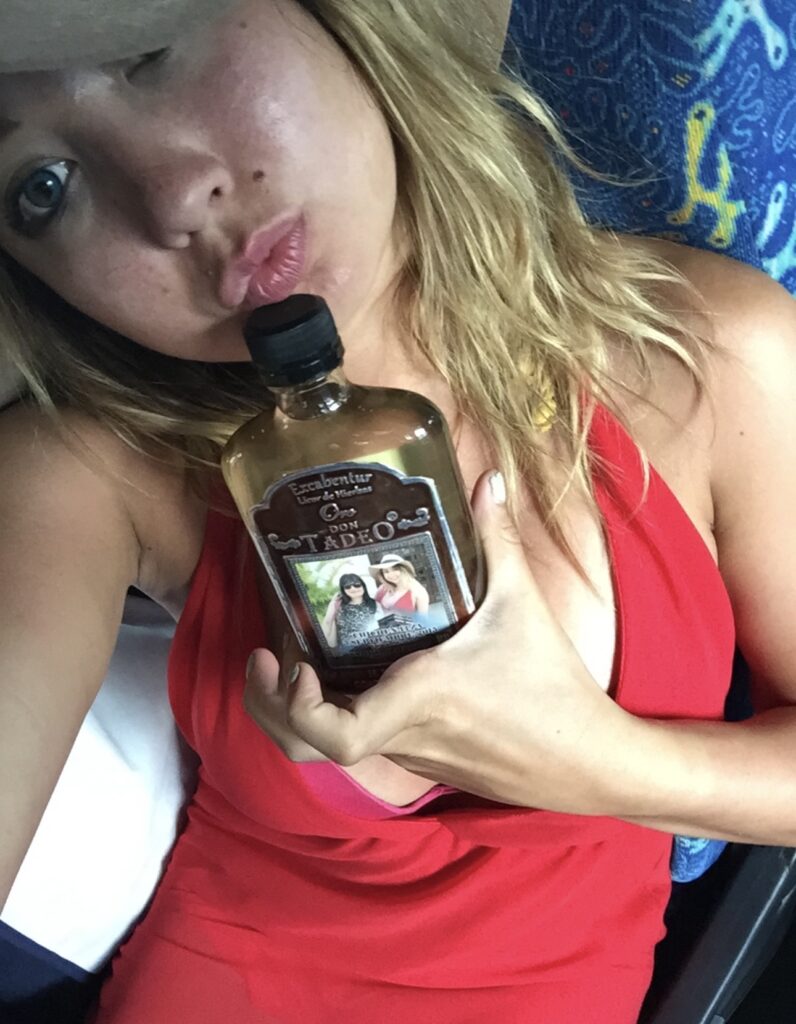
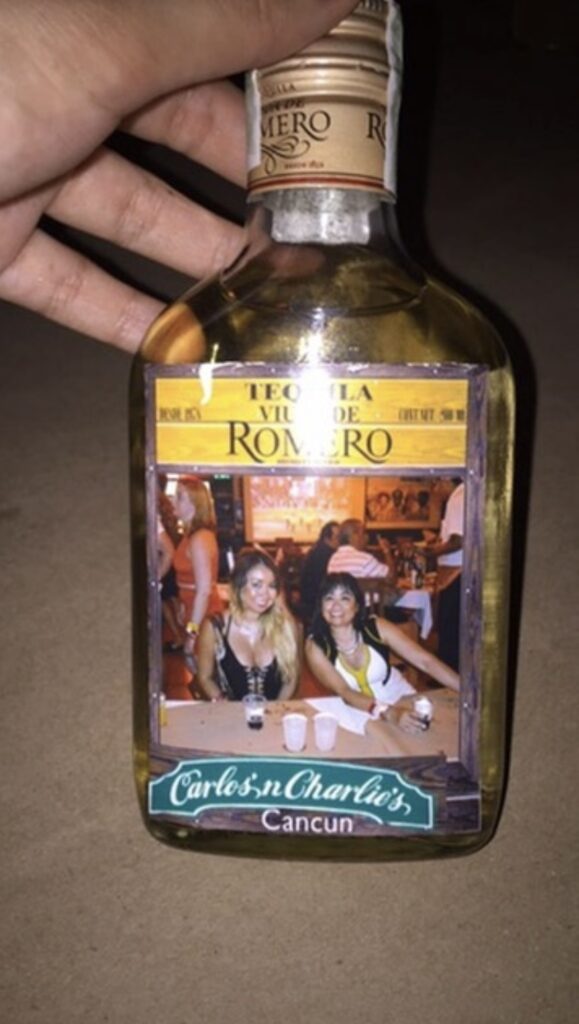
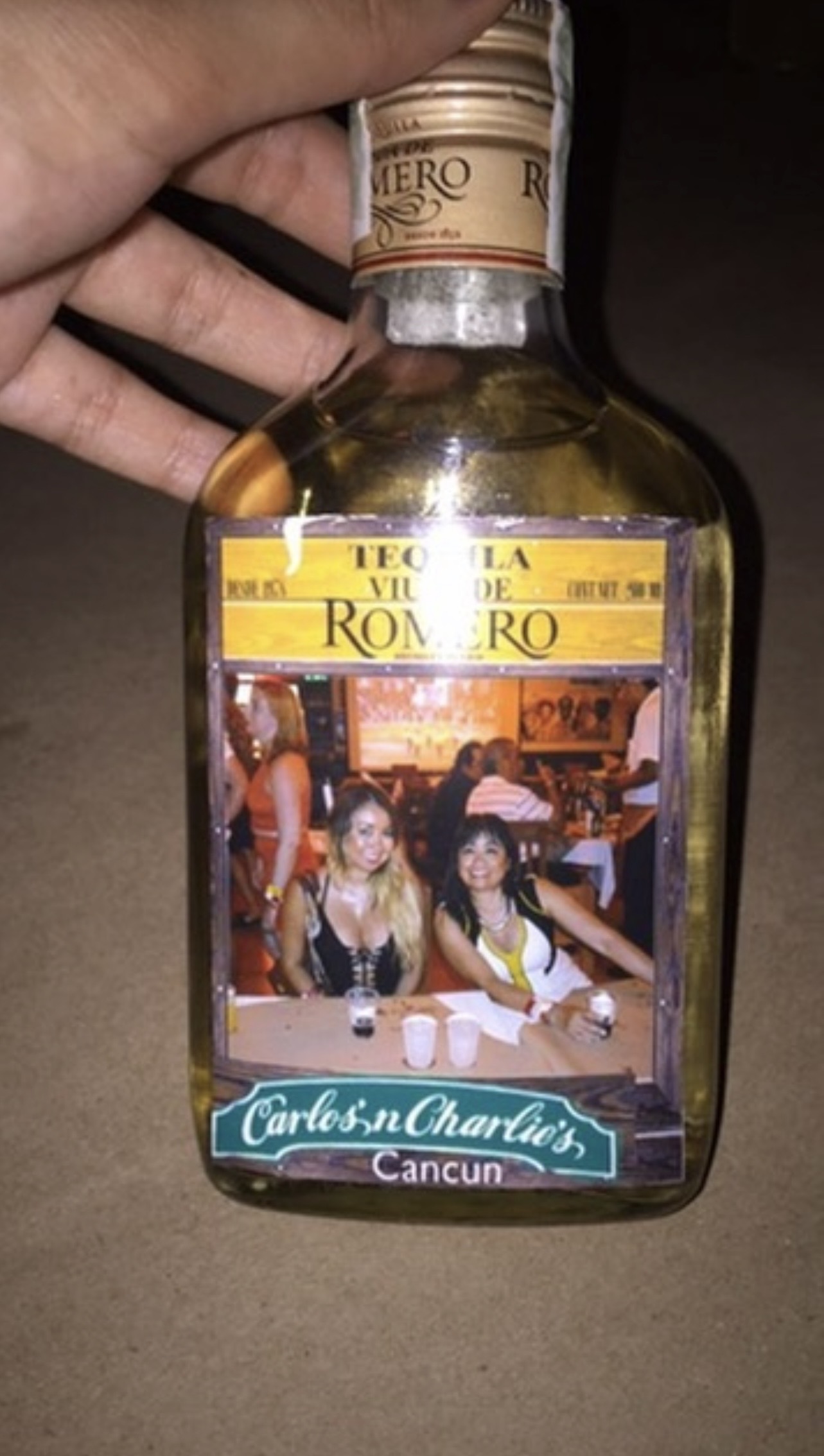
Me and my mum had once gone on holiday to Cancun where they made a personalised tequila bottle of us as a souvenir. She kept it hidden away alongside miniature alcohol bottles she collected.
I remembered where they were one day when I couldn’t get access to alcohol.
So I drank them.
Afterwards, terrified she would notice, I refilled the bottles with apple juice, Coca-Cola and water, trying to match the original colours before carefully putting them back exactly where they had been.
Addiction turns you into somebody constantly negotiating with panic, secrecy, shame and survival all at once.
And somehow, while all of this was happening, I still looked “normal” from the outside.